
> ./blog / launch-ai-portable-skills
Launch AI: Portable AI Skills
 1-bit dither / 3px cell
The AI market is a race to the bottom with expensive infrastructure underneath it. Providers are burning through cash to acquire users while the unit economics of serving LLMs at scale still don’t add up. That’s not a stable situation. Pricing changes. Models fall behind competitors. New providers emerge with genuinely better capabilities. When any of that happens, a workflow built tightly around one platform becomes a liability overnight. That’s what motivated me to build Launch AI: a personal library of portable AI skills, documented in Notion, that I can deploy on any platform I happen to be using.
Why Platform Dependence Is a Risk Worth Taking Seriously
If you’ve invested heavily in one provider’s ecosystem, you’re implicitly betting that provider stays the right choice for you indefinitely. That’s a bet I’m not willing to make.
It’s not just about cost, though cost is real. The leading model changes. Providers restructure pricing. New entrants appear with meaningfully better performance on the specific tasks you care about. As a solo founder and developer, I need to be able to react to the best available option, not stay loyal to a platform because the switching cost is too high.
The answer isn’t to avoid investing in AI tooling. It’s to invest in the inputs: the structured instructions, context, and workflows that make AI useful, rather than in any one provider’s interface for consuming them. That’s the foundation Launch AI is built on.
What the Library Covers
The library is organised into packs, each focused on a specific domain. Right now those are Software Engineering, Founder, Content, Growth, Sales, Personal Finance, Business Finance, Life Admin, and Core.
Core is foundational and underpins everything else. The other packs declare a dependency on it in the same way a package in a code project declares its dependencies. Some packs build on each other too: Growth depends on Content, Sales depends on Growth, and so on.
What every skill has in common is that it encodes how I want the work done, not just what the task is. A generic prompt is useless. A skill that captures the specific conventions, priorities, and approach I care about is genuinely useful, and it stays useful regardless of which model is running it.
Because all of this lives in Notion rather than inside any provider’s proprietary system, it travels with me.
The Software Engineering Skills: Learning from What Didn’t Work
The software engineering pack took the most iteration to get right, and it was actually Superpowers that pointed me in the right direction. It’s a great tool and the inspiration for a lot of what I’ve built here. The issue was simply that its workflow didn’t fit mine.
Superpowers leans on upfront planning: read a spec document, let the AI implement against it, then inspect the output and make corrections. I found myself front-loading a lot of context at the start of each session, with quality only becoming visible after the fact.
That’s not how I work on any other kind of software. So I stopped working that way with AI.
With Launch AI, I follow TDD and iterate exactly as I would on a normal project. The AI works within that loop rather than instead of it. The feedback loop is tight, quality is inspectable at each step, and the workflow is mine rather than the tool’s.
The Core Skills: Where the Real Leverage Is
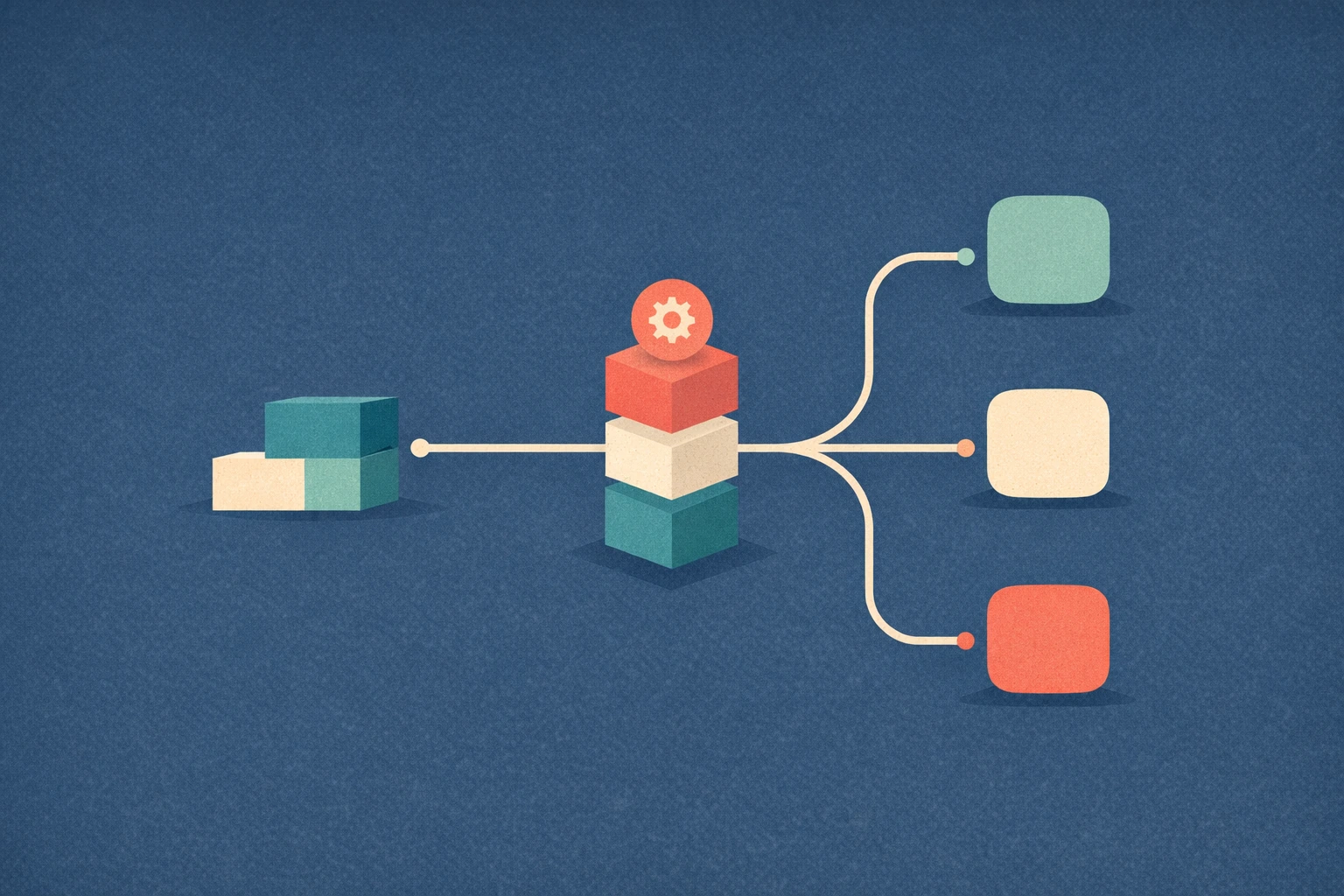
The most useful piece of Launch AI infrastructure is what I call the core skills. These are meta-skills: their job is to take the Notion documentation and convert it into installable skill files for whichever AI system I’m deploying to at the time.
Notion is the source of truth. The core skills handle the packaging. Whether I’m deploying to Claude Code, Codex, or something else entirely, the conversion is handled by the skill itself. The portable AI skills stay portable because the tooling that manages them is also portable.
It’s a small piece of infrastructure, but it’s the piece that makes everything else composable. Adding a new skill to the library, or updating an existing one, automatically flows through to wherever I’m using it.
Give It a Try
If any of this sounds like something useful for your own AI workflow, I’d like to hear from you. Whether you’re a developer who wants consistent engineering patterns across sessions, a founder who wants repeatable output across different tools, or someone who just wants a more structured approach to the everyday tasks AI can help with, there’s probably something in the library that’s relevant.
Get in touch and let’s talk about what would work for you.